

You can do a lot of things right with SEO and still not move the needle, if your links are working against you.
That is the frustrating part.
You invest in content, you do the outreach, you sign contracts with vendors, links get built… and then nothing changes. Or worse, traffic dips and you realize some of those links actually pushed you closer to a penalty than to page one.
Most of the time, it is not because link building “doesn’t work anymore”. It is because of a handful of very fixable mistakes.
In this guide, we will walk through the most common link building mistakes we see in audits and campaigns, why they hurt you, and what to do instead. You will also get a simple self-audit checklist you can run on your own site or hand to your team.
Use it as a quick sanity check before you build the next batch of links.
Before we start: what counts as a “link building mistake”?
A link building mistake is not just “a bad link”.
It can be:
- A strategic decision that quietly caps your upside, even if individual links look fine.
- A quality issue, where links are technically strong on paper (high DR or DA) but irrelevant, over-optimized, or clearly part of a link scheme.
- An operational problem in how you choose targets, write outreach, or measure success.
In this guide, we will look at link building mistakes across five areas:
- Strategy mistakes
- Quality and relevance mistakes
- Risk and penalty mistakes
- Process and measurement mistakes
- International and multilingual mistakes
If you recognize yourself in a few of these, you are not alone. The goal is not to feel guilty. The goal is to spot the patterns, fix them, and avoid repeating them in future campaigns.
Strategy mistakes
Mistake 1: Treating link building as a one-time campaign
Many brands treat link building like a project: a three month push, a few dozen links, then back to “business as usual”.
The problem is that search results are not static. Your competitors are still building links, refreshing content, and expanding topical coverage. If you stop after a single burst, your profile ages, your content gets outcompeted, and you slowly slide down the page.
What to do instead:
Think in programs, not campaigns. You can still work in sprints, but keep a consistent baseline of link acquisition tied to your publishing calendar and business priorities. Even a modest, steady cadence beats a one-time “spike and forget”.
Mistake 2: Building links only to your homepage or one hero page
This one shows up in almost every audit.
All the links point to the homepage, the main “services” page, or one big guide. It feels logical, but it makes your profile look unnatural and keeps most of your content invisible. Competitors that distribute links across clusters of pages often win, even with fewer total links.
What to do instead:
Map links to topics and funnels, not just to your main money page. Spread links across:
- Deep blog posts that answer specific questions
- Product or category pages
- Comparison pages and use case pages
- Your best TOFU and BOFU content
Then back everything up with strong internal links, so authority flows through your site instead of stopping at the homepage.
Mistake 3: Relying on a single tactic for every link
Guest posts only. Or digital PR only. Or directories only.
Relying on one tactic is risky. It creates an unnatural footprint and leaves you exposed if that tactic becomes less effective, more competitive, or more scrutinized.
What to do instead:
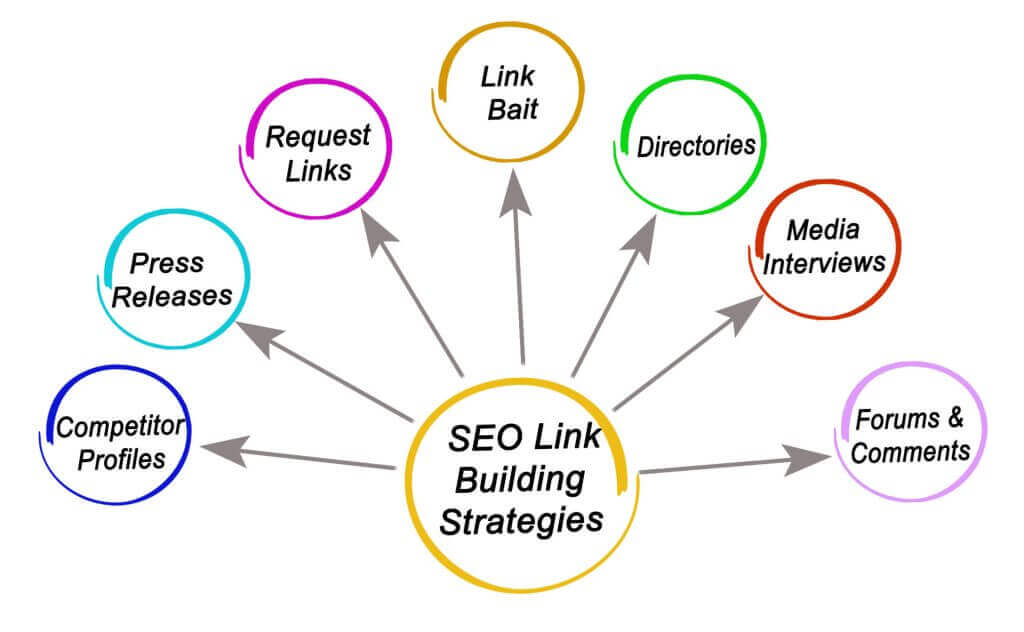
Aim for a small portfolio of tactics that fit your brand and resources. For example:
- Editorial guest posts
- Updating and reclaiming existing mentions
- Niche resource pages and curated lists
- Digital PR or data stories when you have something truly newsworthy
You do not need ten tactics. You need two or three you can repeat consistently without spamming.
Mistake 4: Ignoring link velocity and timing
Two extremes cause trouble:
- A sudden spike of links after years of silence.
- A complete stop after an aggressive push.
Neither pattern looks healthy.
Search engines look at how links appear over time. Abrupt, unnatural patterns can contribute to volatility or, in the worst case, make your profile worth a manual review.
What to do instead:
Plan link building alongside your publishing roadmap. Time links around:
- New content launches
- Major updates to important pages
- Seasonal campaigns or product pushes
If you know you will have a quiet quarter, reduce the volume rather than dropping to zero.
Quality and relevance mistakes
Mistake 5: Chasing DR and DA instead of relevance and traffic
Domain Rating and Domain Authority are helpful shortcuts, but they are not the whole story. They can be manipulated, and they tell you little about whether a site actually has readers who care about your topic.
The result: lots of “high authority” links that never send a single qualified visit and barely move rankings.
What to do instead:
Treat DR/DA as filters, not goals. Evaluate sites mainly on:
- Topical and audience fit
- Real organic traffic, not just estimated DR
- Outbound link patterns, ad clutter, and general editorial quality
- Where your link would actually sit on the page
If a DR 40 site in your exact niche sends engaged visitors, it can be far more valuable than a DR 80 site in a completely different space.
Mistake 6: Buying cheap, non-relevant links
There is no shortage of Fiverr-style offers that promise dozens or hundreds of links for almost no money. They often come from link farms, hacked sites, low-quality directories, and other networks that exist mainly to sell links.
Google’s guidelines are clear that exchanging money for links that pass PageRank is against policy when the goal is to manipulate rankings.
Short term, you might see a blip. Long term, those links are ignored at best and harmful at worst.
What to do instead:
If you are paying for placement, think of it as sponsorship or advertising, not “tricks”. Focus on:
- Real sites with real audiences
- Contextual placements inside relevant content
- Editorial control over how your brand is presented
And be ruthless about declining any list of random domains that clearly share owners or exist purely to host paid posts.
Mistake 7: Over-optimizing anchor text
This one is still incredibly common.
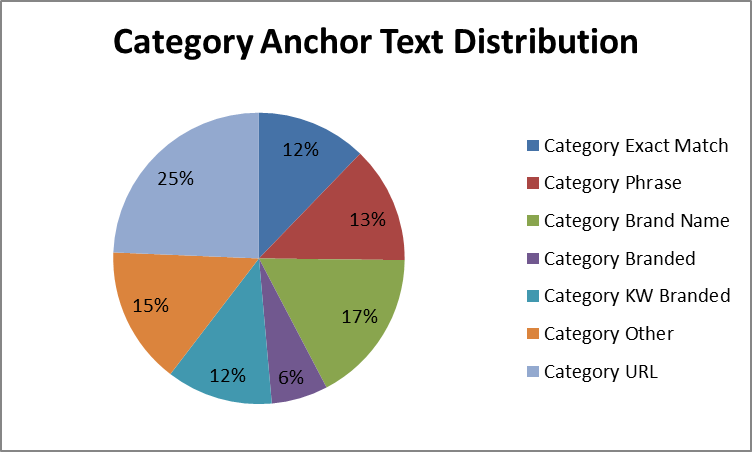
If too many of your links use the exact same commercial anchor, your profile looks engineered. Some tools flag exact-match anchors above roughly ten percent as risky, especially when they come from low-quality sites.
What to do instead:
Plan anchor diversity on purpose. Mix:
- Branded anchors
- Brand + keyword
- Descriptive phrases
- Naked URLs
- Occasional exact-match where it genuinely fits the sentence
If your anchors read like natural language instead of a keyword list, you are on the right track.
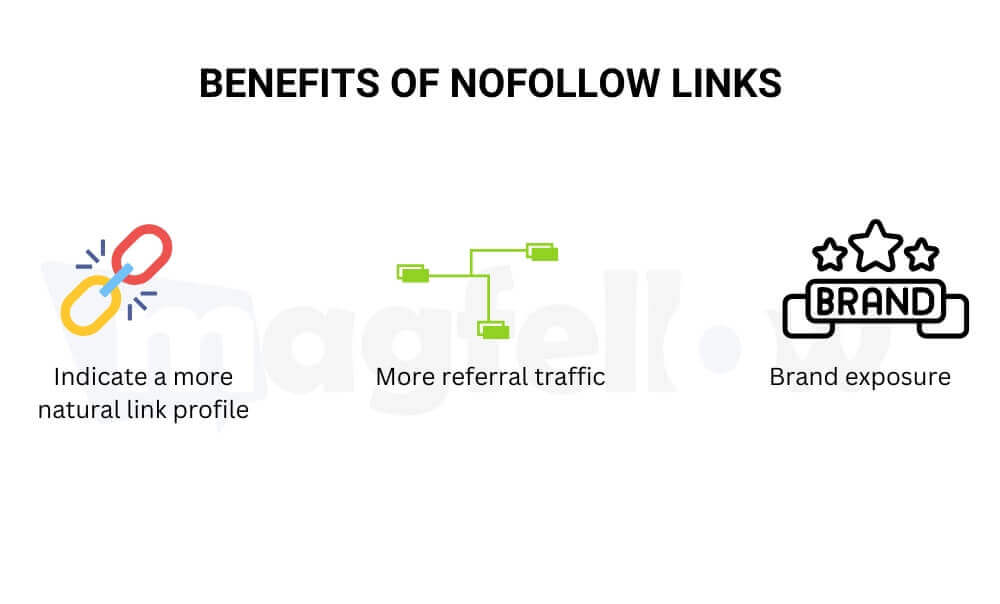
Mistake 8: Ignoring nofollow, UGC and brand anchors
Some teams still treat any link without a dofollow attribute as useless. That mindset leads to unnatural profiles where almost every link is dofollow, exact-match, and placed in the same way.
Modern search engines treat nofollow as a hint, not a hard ignore, and there is evidence that high-quality nofollow links from trusted sites still help pages and brands.
What to do instead:
Embrace natural link types:
- Accept nofollow links from press, forums, and large platforms
- Let people link with your brand name or URL
- Mix in UGC and profile links where they make sense
You are building a brand, not just a backlink spreadsheet.
Mistake 9: Treating every .edu, .gov or DR 70+ site as “gold” by default
An irrelevant, low-quality page on a strong domain is still a low-quality link.
Chasing any “fancy TLD” or big metric without caring about context leads to placements on random scholarship pages, resource dumps, or link pages that clearly exist to sell placements.
What to do instead:
Ask two simple questions for each opportunity:
- Is this a page my actual audience would realistically read?
- Would I still want this mention if it had no SEO value?
If the answer is no, you probably do not need that link.
Risk and penalty mistakes
Mistake 10: Relying on PBNs and obvious link networks
Private Blog Networks, link rings, and “exclusive publisher networks” are still sold as shortcuts.
The patterns are usually easy to spot:
- Same templates and themes
- Thin content across dozens of sites
- Identical or overlapping IPs
- Pages with hundreds of outgoing links to unrelated brands
What to do instead:
Prioritize independent sites with their own audiences. If a network is clearly run for the primary purpose of selling SEO links, assume search engines will catch up, even if they have not yet.
Mistake 11: Links from pages with excessive outbound links
Pages with hundreds or thousands of outgoing links are often low-quality directories, partner pages, or obvious “SEO lists”. Tools commonly flag those URLs as suspicious because there is very little value to pass and the pattern is typical of link schemes.
What to do instead:
Look at the page, not just the domain:
- Count how many links are on the page
- Scan for patterns like “sponsored link lists” or random TLD mixes
- Avoid any placement where your mention is just one of many anonymous logo tiles or anchor lists
One good contextual link beats twenty placements in overcrowded blocks.
Mistake 12: Letting toxic clusters sit in your profile without audits
Even if you do everything right now, your site may have inherited legacy links, spammy scraper links, and old vendor work. Left unchecked, these can become a drag on your profile.
What to do instead:
Run periodic backlink audits:
- Group links by domain and IP
- Look for clusters of obviously spammy or off-topic links
- Remove or disavow the worst offenders, especially if you have received warnings or noticed sharp drops
You are not trying to “clean” every imperfect link. You are trying to remove glaring risks so you can confidently build new, better ones.
Mistake 13: Using automated link building tools
Automation sounds tempting: upload a list of URLs, press a button, and watch links appear.
The problem is that most “automated link building” tools don’t build relationships or content – they spray links. They hit blog comments, forums, user profiles, low-quality directories, and networks of sites that exist purely to host links. Even if some of those links briefly get picked up, they rarely bring real visitors and they leave obvious footprints that search engines are very good at spotting.
On top of that, automation removes the one thing that makes link building sustainable: human judgment. The tool doesn’t know whether the site is actually relevant, whether the page looks spammy, or whether your brand should even be seen there.
What to do instead:
Use tools to support your work, not replace it.
- Use SEO tools to find prospects, check metrics, and understand a site’s history.
- Use outreach tools to manage conversations, not to blast generic templates at thousands of people.
- Keep the actual decisions human: which sites to approach, what angle to pitch, what anchor to use, and when to walk away.
If a tool promises “hands-free” link building, assume you’re trading short-term volume for long-term risk.
Process and measurement mistakes
Mistake 14: Mass, non-personalized outreach
If your inbox is full of “Dear Sir/Madam, I stumbled upon your excellent blog” messages, you already know why this does not work.
Generic outreach:
- Gets ignored by quality sites
- Damages your domain reputation and brand
- Pushes you toward lower-quality publishers that say yes to anything
What to do instead:
Treat outreach as relationship building, not just link requests:
- Research the site, writer, and previous coverage
- Explain in one or two sentences why your content belongs there
- Offer ideas that actually add value to their audience
You will send fewer emails, get fewer rejections, and land better placements.
Mistake 15: Trying to build links to thin or misaligned content
Sometimes the problem is not the links. It is the page you are promoting.
If the content does not match search intent, is very similar to ten other pages, or fails to provide anything new, even great links will struggle to move it.
What to do instead:
Before you start outreach, ask:
- Does this page clearly answer the query we are targeting?
- Is there a reason someone would choose this over existing results?
- Is it link-worthy on its own, even without “SEO logic”?
Fix the content first. Links amplify strength. They rarely rescue weakness.
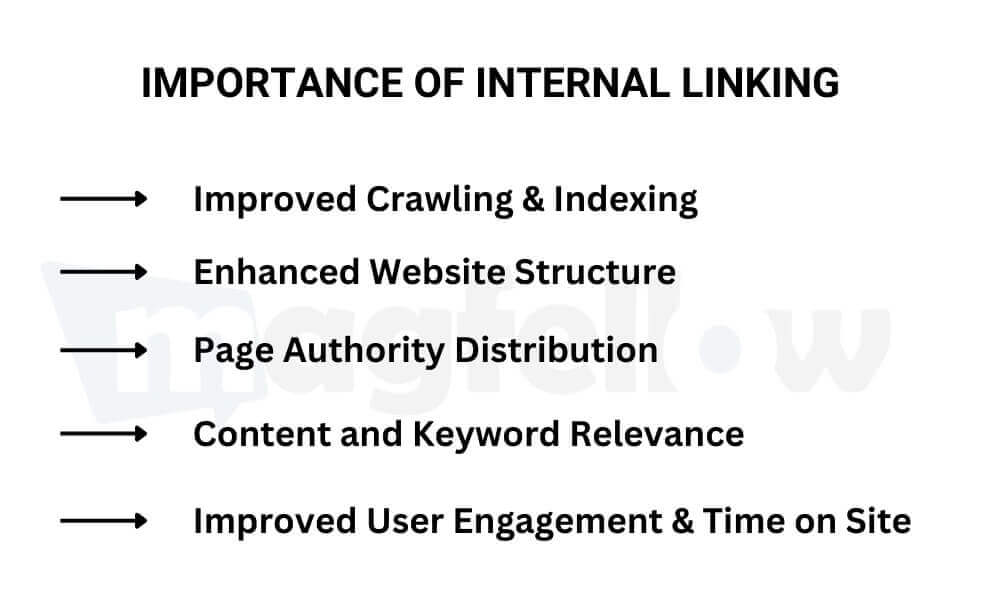
Mistake 16: Ignoring internal links while obsessing over backlinks
External links get all the attention. Internal links quietly drive a lot of the results.
If your site has orphan pages, weak internal anchors, or a flat structure where everything points at the homepage, you are wasting link equity and making it harder for search engines to understand your topics.
What to do instead:
Build simple internal structures:
- Use descriptive, natural anchors between related articles
- Make sure important pages are linked from multiple relevant pages
- Keep navigation clean so both users and crawlers can follow your logic
Think of internal links as the wiring that lets external authority actually reach the rooms that matter.
Mistake 17: Not measuring impact beyond “number of links”
Counting how many links you built is not the same as understanding whether they worked.
Without proper tracking, you do not know:
- Which pages improved
- Which anchors and tactics performed best
- Which vendors or campaigns you should repeat
What to do instead:
Build a simple measurement model:
- Track rankings, organic traffic, and assisted conversions for pages that received links
- Monitor changes at a cluster level, not just page level
- Tag links by tactic, source, and date
You do not need a perfect attribution model. You just need enough visibility to double down on what is working and stop paying for what is not.
International and multilingual link building mistakes
This is where many otherwise solid strategies fall apart.
Mistake 18: Building links from the wrong country or language
If you want to rank in Germany, but your entire link profile is from English language US sites, you are sending mixed signals. You might still rank for some broader terms, but you will struggle with localized, high-intent queries.
What to do instead:
Align link geography with target market:
- Get links from sites that actually operate in or write for the countries you want to reach
- Match language where possible. If the page is in Italian, Italian links should be your priority
- Use localized anchors, currencies, and examples so those links make sense for local readers
Search engines pay attention to language and location context. Let your profile match your ambitions.
Mistake 19: Mixing signals across markets with one generic global URL
One “global” English page trying to rank everywhere can collect a very noisy backlink profile. Links from Brazil, Spain, the US, France, and Germany all point to the same URL, even though your offers and positioning might differ by market.
What to do instead:
Where it makes sense commercially, create localized versions of key pages:
- Country-specific or language-specific URLs
- Local pricing and examples
- Localized content that deserves its own local links
Then build links from relevant sites in each market to the right version, and support them with a smart internal linking and hreflang setup.
Quick self audit
Here is a short checklist you can run in twenty minutes:
- Do most of your links point only to your homepage or one or two URLs?
- Is your anchor text heavily skewed toward one commercial phrase?
- Are you relying on a single link type, like guest posts only?
- Do you have links sitting on pages with hundreds of outbound links?
- When you scan your profile, do you see clusters of sites that look like they belong to the same owner or network?
- Are you actively earning links from the countries and languages you are targeting?
- Can you clearly connect recent link building work to ranking or traffic improvements for specific pages?
If you are unsure about most of these, it is a sign that your link building can work much harder for you with a few focused changes.
Wrapping up
Link building itself is not the problem. The wrong kind of link building is.
The good news is that you do not need to be perfect. You do not need a thousand links or a fancy digital PR machine to compete. You need:
- A realistic, ongoing strategy
- Links that come from relevant, trustworthy sites
- A healthy mix of anchors and link types
- A profile that makes sense for the markets and languages you care about
Fix the big mistakes, and a lot of the anxiety around link building disappears.